Understanding Blackheads: Causes, Prevention, and Treatment
Blackheads are one of the most common forms of acne, affecting people of all ages and skin types. While they are generally harmless, many find them bothersome due to their appearance and persistence. Understanding what causes blackheads and how to treat them can help maintain clearer, healthier skin.
What Are Blackheads?
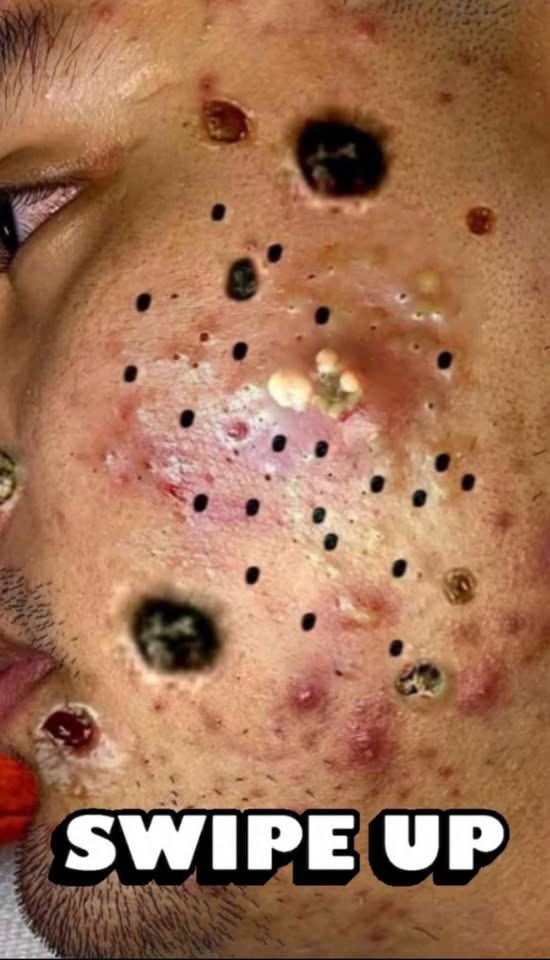
Blackheads are small, dark spots that appear on the skin, most often on the nose, forehead, chin, and back. They form when pores become clogged with a mixture of dead skin cells, sebum (oil), and bacteria. Unlike whiteheads, which are closed by a layer of skin, blackheads remain open. When the trapped material inside the pore is exposed to air, it oxidizes and turns dark — giving the blackhead its characteristic color.
Common Causes
Several factors contribute to the development of blackheads:
-
Excess oil production: Overactive sebaceous glands increase the likelihood of clogged pores.
-
Hormonal changes: Hormonal fluctuations during puberty, menstruation, or pregnancy can trigger higher oil production.
-
Poor cleansing habits: Inadequate removal of dirt, makeup, or sunscreen can lead to buildup in pores.
-
Use of comedogenic products: Certain heavy creams or cosmetics can block pores.
-
Diet and lifestyle: High intake of sugary or greasy foods, stress, and lack of sleep can worsen acne conditions.
Prevention Tips
Preventing blackheads starts with consistent and gentle skincare:
-
Cleanse twice daily with a mild, non-comedogenic cleanser to remove oil and impurities.
-
Exfoliate regularly using products containing salicylic acid or glycolic acid to remove dead skin cells.
-
Use oil-free moisturizers to maintain skin hydration without clogging pores.
-
Avoid over-washing, as this can strip the skin’s natural oils and trigger more oil production.
-
Choose non-comedogenic makeup and remove it before bedtime.
Effective Treatments
If blackheads persist, several treatments can help:
-
Topical treatments: Over-the-counter products containing benzoyl peroxide, retinoids, or salicylic acid can clear pores and reduce oil buildup.
-
Professional extractions: Dermatologists or licensed estheticians can safely remove blackheads without damaging the skin.
-
Chemical peels and microdermabrasion: These procedures exfoliate the top layer of skin and improve texture.
-
Prescription medications: For severe or persistent cases, a dermatologist may prescribe stronger topical or oral treatments.
Myths About Blackheads
-
“Blackheads mean dirty skin.”
False. Blackheads are not caused by poor hygiene but by clogged pores and oxidation. -
“Squeezing blackheads is the best solution.”
False. Popping or squeezing can irritate the skin and cause scarring or infection.
Conclusion
Blackheads are a normal part of skin health, but with proper care, they can be minimized or prevented. A consistent skincare routine, healthy lifestyle, and professional guidance when needed can help keep your skin smooth and clear.