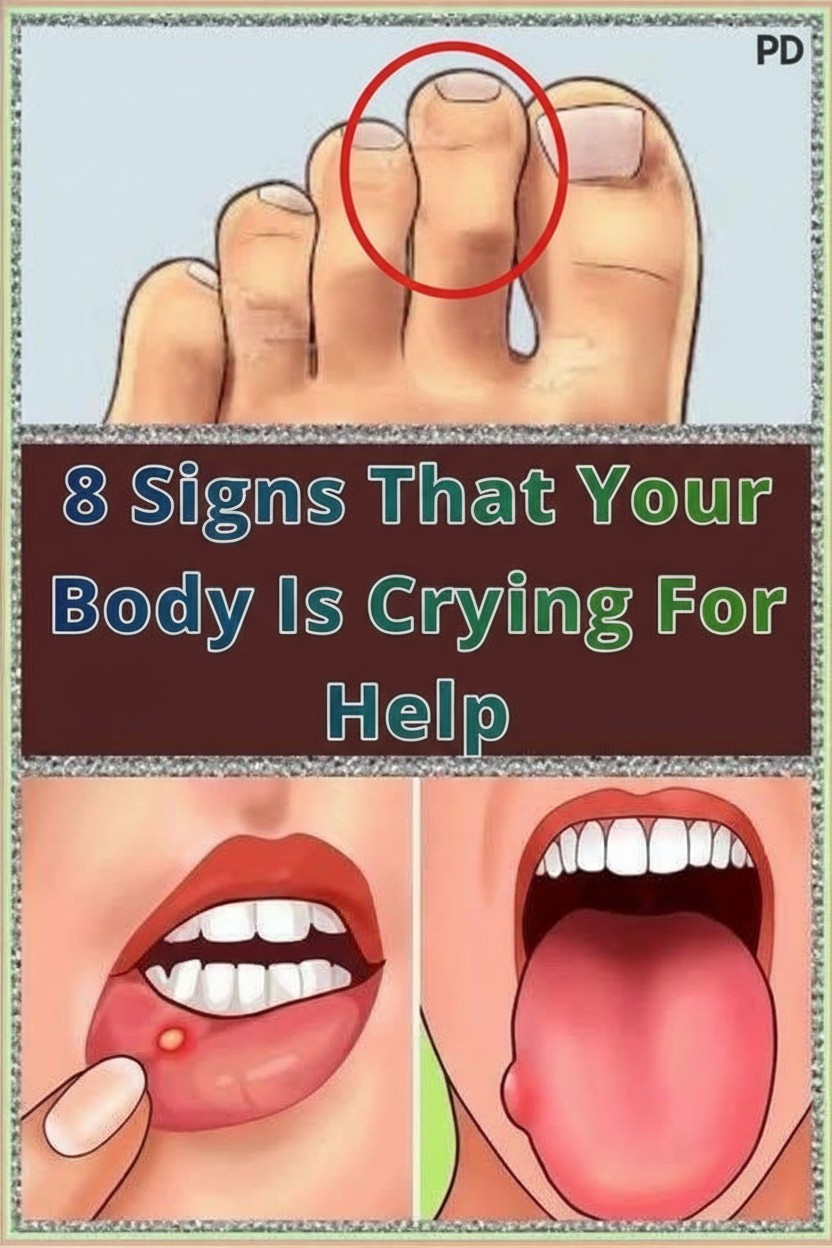
Listening to Your Body: What Everyday Signals Can Teach Us About Care and Balance
Our bodies are constantly communicating with us. Through cravings, discomfort, fatigue, or small physical changes, they offer quiet signals about what they may need. These signs are not diagnoses, and they should never replace professional medical advice—but they can serve as reminders to pay closer attention to our health.
Rather than causing anxiety, learning to notice these patterns can encourage wiser habits, better self-care, and timely support when needed.
When Cravings Speak
Cravings are often misunderstood as weakness or lack of discipline. In reality, they can reflect emotional states, lifestyle pressures, or nutritional gaps.
Craving sour foods, for example, may appear during periods of stress or fatigue. It can be helpful to observe energy levels, digestion, and overall well-being, while focusing on balanced meals that include fresh fruits and vegetables.
Strong cravings for seafood may reflect a need for certain nutrients such as protein, healthy fats, or minerals. Whether through fish or plant-based sources, variety in diet usually helps restore balance.
Sugar cravings are especially common in modern life. They often arise when meals lack enough protein, fiber, or healthy fats. Gradual changes—rather than strict restriction—tend to be more sustainable and supportive.
Salt cravings may follow heavy sweating, dehydration, or physical exertion. In many cases, better hydration and whole foods help restore equilibrium.
Small Physical Changes, Important Messages
Some bodily signs deserve gentle attention.
Bleeding gums, for example, may relate to oral hygiene or nutrition. Consistent care and a diet rich in fruits and vegetables often help, but persistent issues should be checked professionally.
Brittle nails and hair can sometimes reflect low intake of certain nutrients or general fatigue. Supporting the body with diverse, nourishing foods and gentle self-care usually makes a difference over time.
Dry skin patches may point to insufficient healthy fats, hydration, or environmental stress. Simple dietary adjustments and protective skincare can help, while ongoing issues deserve medical guidance.
Sleep, Muscles, and Rest
Poor sleep and muscle cramping are common complaints in busy, overstimulated lives. They may relate to stress, mineral balance, screen habits, or irregular routines.
Establishing calming evening practices, eating well, and allowing space for rest are often more effective than quick fixes. When discomfort persists, seeking professional advice is a sign of wisdom, not weakness.
Care Over Perfection
One important truth stands above all health advice: bodies are not machines. They do not function perfectly every day. Fluctuations are normal.
Health is not about constant optimization.
It is about consistency, patience, and kindness.
Small improvements repeated over time matter more than extreme changes.
Listening to your body does not mean obsessing over every symptom. It means staying aware, responding thoughtfully, and asking for help when needed.
When to Seek Support
Self-awareness is valuable, but it has limits. If symptoms are persistent, painful, or worrying, professional guidance is essential. Doctors, dentists, and specialists exist to protect long-term well-being—not to judge.
Seeking help early often prevents bigger problems later.
A Balanced Approach to Well-Being
True health is built on simple foundations:
-
Regular, nourishing meals
-
Adequate sleep
-
Movement and fresh air
-
Emotional balance
-
Supportive relationships
-
Responsible medical care
No single food or habit guarantees wellness. But steady care creates resilience.
Conclusion: Respecting the Body’s Wisdom
Your body is not working against you. It is trying to support you—sometimes quietly, sometimes urgently.
Cravings, changes, and discomfort are not flaws. They are messages.
When we respond with attention rather than fear, and with care rather than neglect, we build a healthier relationship with ourselves.
Not through perfection.
But through awareness, balance, and respect.
Get alerts for our most viral and important stories.