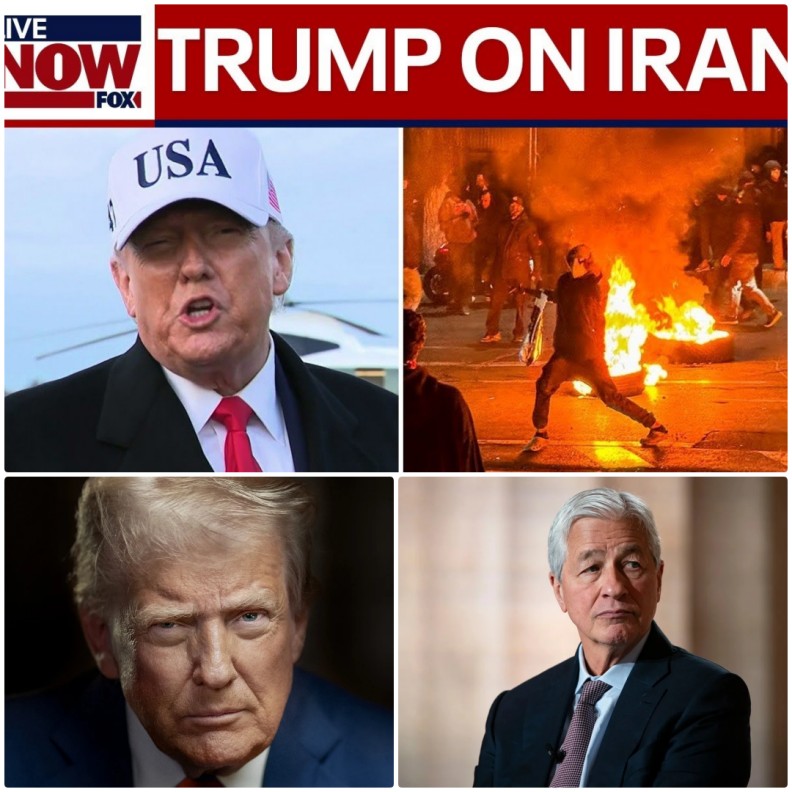
The tarmac at Joint Base Andrews has often served as the backdrop for some of the most consequential moments in American political history. However, the recent remarks delivered by Donald Trump as he prepared to return to the White House felt like something more than a standard press gaggle.
It was a raw, unfiltered look into a worldview where foreign policy, corporate negotiation, and domestic discipline are all woven into a single, aggressive strategy. From the “living hell” of modern-day Iran to the interest rates on your credit card, nothing was off-limits for the man who still views himself as the nation’s ultimate negotiator.
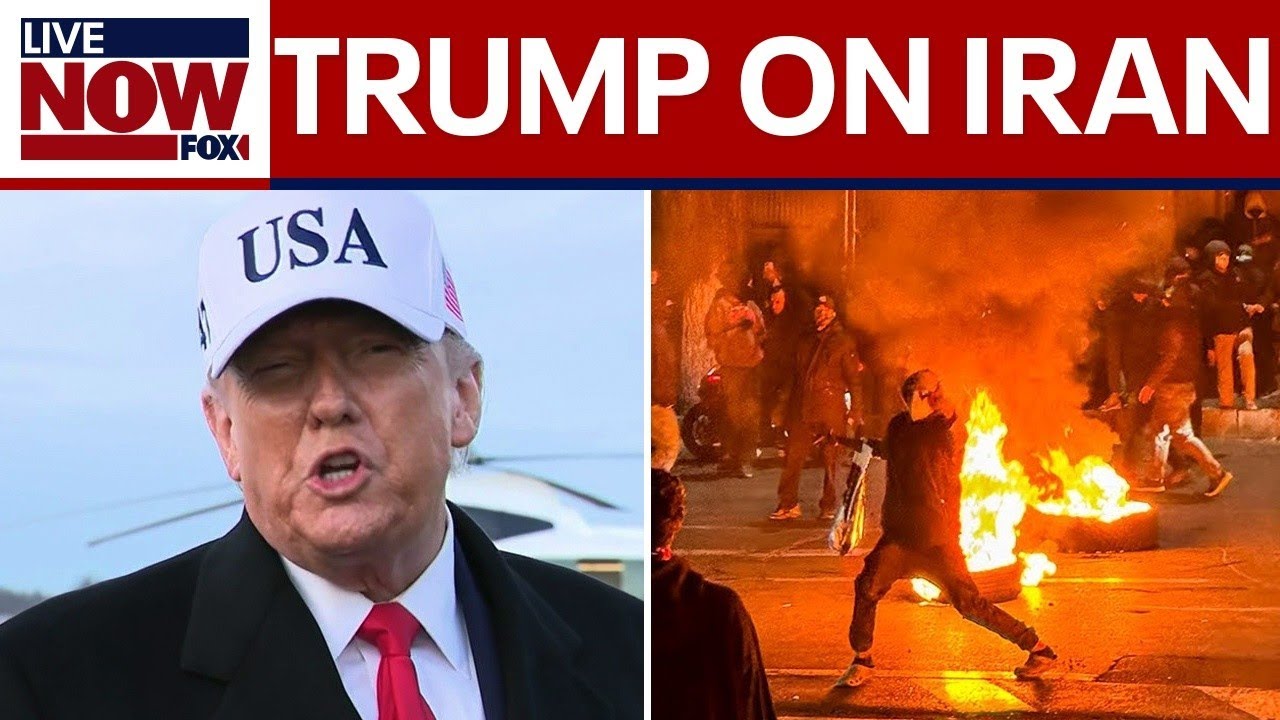
The atmosphere was electric as the hum of Air Force One provided the white noise for a series of revelations that have left both allies and adversaries scrambling for a response. Trump’s opening salvo was aimed directly at Tehran, describing the current state of affairs as “really bad stuff.”
He spoke with the gravity of a man who knows something the rest of the world is only starting to suspect, hinting at a report he was set to receive within twenty minutes of landing. This report, he claimed, would detail “significant” killing and misbehavior by the Iranian regime against its own protesting citizens.
What made the statement truly jarring was the historical context he invoked, reminding the gathered press that “the last time, I blew them up.” He was referring to his administration’s use of overwhelming force and the neutralization of nuclear capabilities that he claims the regime no longer possesses.

The message was clear: the restraint of the past is not a template for the future, and the current administration’s “extension” of previous leaders is, in his eyes, a catastrophic failure. This isn’t just about military might; it’s about a fundamental belief that the Iranian people deserve a “little bit of freedom” from a leadership they’ve endured for too long.
Trump’s reflections on Iran were surprisingly personal, noting that the country “used to be a hell of a country” where his friends made successful investments. He painted a picture of a lost era where the leadership was “good” and the people were “great,” contrasting it sharply with the “hell” he sees today.
This transition from a prosperous partner to a global pariah is a central theme in his critique of modern diplomacy. He refused to tip his hand on whether future interventions would be “kinetic” or “cyber,” stating flatly that he doesn’t talk military strategy with reporters.
However, the threat of action hung heavy in the air, framed as a necessity to “show humanity” in the face of alleged state-sponsored slaughter. While the international community watches the Middle East, Trump is simultaneously launching a domestic campaign against what he calls “corrupt and incompetent” leadership at home.

He took aim at the Governor of Minnesota, blaming him for “tremendous theft and fraud” within the state and promising to “straighten that out.” This rhetoric of cleaning house extends to the very heart of the American financial system, where he has declared war on high interest rates.
In a move that is sure to rattle Wall Street, he called out Jamie Dimon and other banking leaders for “judging people” with interest rates as high as thirty-five percent. Trump’s proposal is as simple as it is radical: a one-year period of protection where rates are capped at ten percent to “let the people have a break.”
He dismissed Dimon’s warnings of “negative side effects” with a shrug, suggesting that big banks only want higher rates because “maybe it makes more money that way.” This populist pivot is designed to position him as the protector of the working class against the financial “elites” he once counted as peers.
The financial theme continued as he revealed the inner workings of his “America First” corporate strategy, specifically citing a deal with Intel. He claimed that when the tech giant needed help, he demanded ten percent of the company for the United States, a move he says “made tens of billions of dollars.”
This approach—treating the U.S. government like a private equity firm—is how he claims he secured major gains from companies like Apple and Nvidia. He even cited a project in Alaska where the government took a “piece of a company” in exchange for building a necessary road.
“I want a country to be rich as hell,” he told the reporters, emphasizing that he doesn’t want anything for himself, but for the nation. This “Art of the Deal” style of governance is a radical departure from traditional bureaucratic processes, and it clearly resonates with his base.
As he shifted focus to the border, he reinforced his hardline stance on sanctuary cities, setting a firm deadline of February first to cut off all federal funding. He described the move as “significant,” part of a larger plan to ensure that taxpayer money is used for the direct benefit of legal citizens.
The strategy involves meeting with insurance companies to reroute funds into “health care savings accounts” that go directly to the people. By bypassing the traditional structures of sanctuary city governance, he intends to force a total compliance with federal immigration law through economic pressure.
The conversation eventually turned to China and his “Phase 1” trade deal, which he insists is about “opening Chinese markets” to American goods. Despite the tensions, he spoke of a “great relationship” with President Xi, a testament to his belief that personal chemistry can override systemic geopolitical rivalries.
He expressed confidence that the markets would continue to open up, fueled by the “tens of billions” he claims are already flowing back into the U.S. treasury. This mix of high-level diplomacy and “tough talk” on the tarmac is the signature style of a man who refuses to be ignored on the world stage.
As the press conference wrapped up, the takeaway was clear: Trump is operating on a multi-front war, targeting foreign regimes, domestic governors, and corporate giants. He is betting that the American public is more interested in “getting a break” on their credit cards and “making the country rich” than in the nuances of traditional policy.
Whether his report on Iran leads to a new conflict or his cap on interest rates leads to a financial showdown, one thing is certain. The “Andrews Manifesto” has set the stage for a period of unprecedented volatility where the only rule is that there are no rules.
The world now waits to see what was in that twenty-minute report, and how the “bad stuff” in Iran will be met by a leader who isn’t afraid to “act accordingly.” For the people of Iran, the people of Minnesota, and the CEOs of Wall Street, the clock is officially ticking.