The political atmosphere in Washington, D.C., has reached a boiling point that few could have predicted as we head into the early weeks of 2026. What began as a series of isolated protests and legislative grumblings has transformed into a full-scale institutional revolt that threatens to upend the very foundations of the American government.

At the heart of this storm is a staggering figure: 140 members of the House of Representatives have now formally aligned themselves with a movement to impeach Donald Trump for a third time. This isn’t just a repeat of history; it is a brand-new chapter defined by a level of intensity and legal gravity that makes previous efforts look like mere rehearsals.
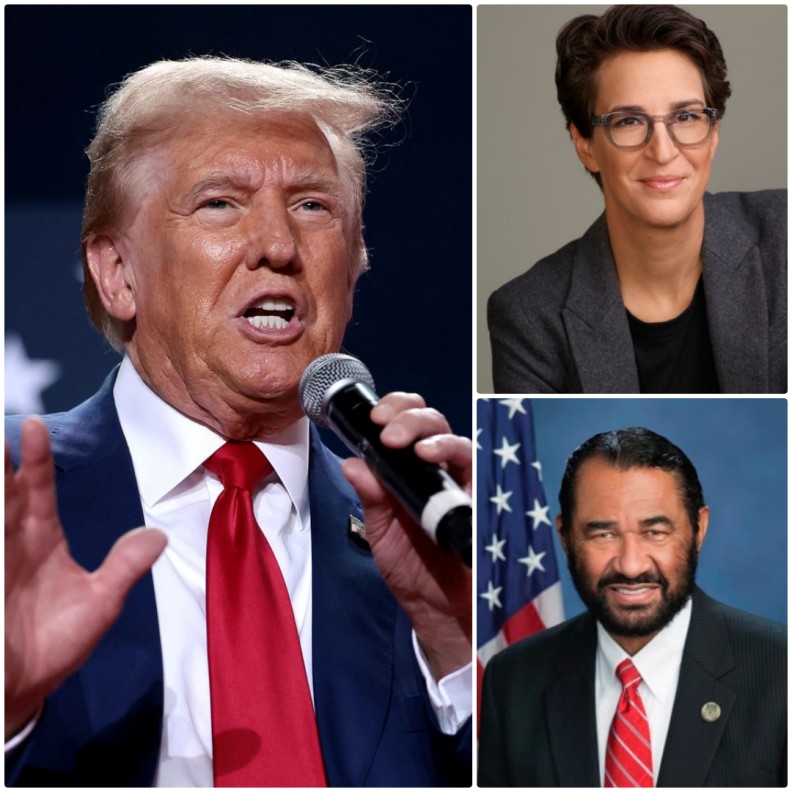
The spark that lit this massive fire was a bombshell report shared by Rachel Maddow, which detailed the sudden and aggressive escalation of support for House Resolution 939. This resolution, sponsored by Texas Congressman Al Green, isn’t just another list of grievances but a meticulously drafted document that accuses the President of breaching the ultimate “red line” of democratic governance.
Congressman Green has been a lone voice in the wilderness for years, but today, he stands at the head of a massive coalition that is no longer willing to wait for the political winds to shift. He argues that the normalization of political violence and the direct targeting of the judiciary have created a “clear and present danger” to the survival of the Republic itself.

The sheer number of lawmakers—140 in total—who voted to advance these articles of impeachment represents a seismic shift in the House of Representatives. This is not a symbolic gesture by a handful of outliers; it is a significant and growing portion of the legislature that is openly defying party leadership to demand a reckoning.
In the past, House leadership was able to successfully table or bury such resolutions with ease, but the momentum behind this 2026 push has made those old tactics increasingly difficult to maintain. Every time the administration pushes a new boundary, another group of lawmakers finds the courage to join the ranks of those calling for removal.
The specific allegations driving this movement are as chilling as they are historic, moving far beyond the typical partisan bickering we have seen in recent years. At the top of the list is a series of accusations regarding the President’s rhetoric toward his political opponents, specifically those who have served in the military and intelligence communities.
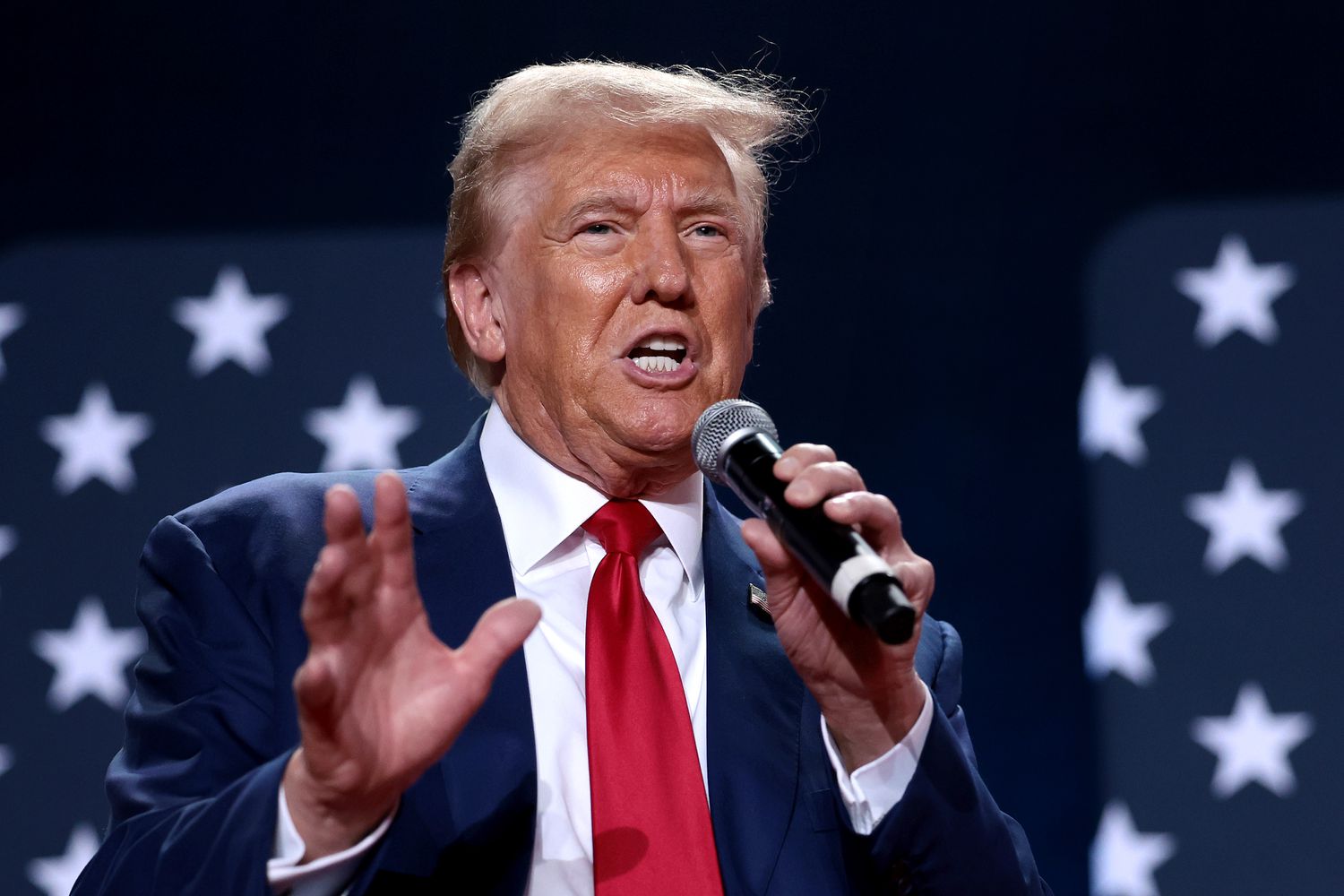
The articles of impeachment allege that the President has effectively called for the execution of sitting members of the Senate, a move that has sent shockwaves through the halls of the Capitol. This isn’t just “tough talk” on the campaign trail; it is being viewed by legal experts as a direct incitement of violence against a co-equal branch of government.
Furthermore, the resolution highlights a systematic campaign of intimidation against federal judges, including members of the Supreme Court like Justice Ketanji Brown Jackson. The argument being made is that when the President targets the people responsible for interpreting the law, he is effectively dismantling the rule of law itself.
Justice Jackson herself has noted that these attacks do not seem random but appear “designed to intimidate the judiciary” into submission. This has created a sense of existential dread among legal scholars who believe that if the judiciary falls, the entire constitutional framework follows shortly behind it.
Adding fuel to the fire are the recent military actions taken by the administration in South America, specifically the controversial strikes in Venezuela. These actions were carried out without a formal declaration of war or specific authorization from Congress, leading to charges of “Tyranny” and a “usurpation of war powers.”
Lawmakers from both sides of the aisle are now questioning whether the executive branch has become so powerful that the legislative branch has become obsolete. For the 140 members pushing for impeachment, this is a battle for the soul of the Constitution and the restoration of the balance of power.
The internal dynamics of the House are also shifting in ways that suggest a major showdown is imminent. While the Republican majority remains thin, the “glimmers of independence” being shown by some members suggest that the President’s grip on his own party may not be as ironclad as it once was.
Even the President seems to sense the walls closing in, recently warning his supporters that if Republicans do not win big in the upcoming 2026 midterms, his impeachment is an absolute certainty. This rare admission of political vulnerability has only emboldened his critics, who see it as a sign that their pressure campaign is working.
As the news of the 140 lawmakers spreads, the American public is becoming increasingly engaged in the debate, with “Remove the Regime” rallies popping up in major cities across the country. The sense of urgency is palpable, and the feeling that “something has to give” is shared by both supporters and detractors of the administration.
For many, the question is no longer about the political risk of moving forward with impeachment but the catastrophic risk of doing nothing. The idea that silence equals complicity has become a rallying cry for those who believe that the President’s actions have moved beyond the realm of policy disagreements and into the territory of high crimes.
The Senate, too, is watching these developments with a mix of anxiety and preparation, knowing that if the House does eventually pass these articles, they will be forced to hold a trial. Unlike the previous two impeachments, the evidence being gathered now involves direct threats to the lives of the people who would serve as the “jury” in such a trial.
This creates a conflict of interest and a level of personal stakes that has never been seen in the history of American impeachment proceedings. How can a Senator remain impartial when they are named as a target of the very person they are tasked with judging?
As we move further into 2026, the “chaos in Washington” described by insiders is only expected to intensify as more details from the Maddow reports and the Al Green resolution reach the public eye. The fuse has been lit, and there is no longer a way to stop the explosion that is coming to the nation’s capital.
Every day brings a new headline, a new defection, and a new reason for the American people to tune in to the unfolding drama. This is not just a story about one man or one presidency; it is a story about the endurance of a system that was designed to check power, no matter how great that power becomes.
The next few months will determine whether the 140 lawmakers currently leading the charge will be remembered as the architects of a new era or the casualties of a failed attempt to hold the executive branch accountable. One thing is certain: the eyes of the world are on Washington, and the stakes have never been higher.
As the political temperature continues to rise, the country must prepare for a legal and cultural battle that will redefine the meaning of “high crimes and misdemeanors” for generations to come. Buckle up, because the ride is just getting started, and the consequences will echo far beyond the 2026 election cycle.
The resolution is on the table, the votes are being counted, and the message from the 140 is clear: the time for waiting is over, and the time for action is now. Whether the rest of Congress will follow their lead remains the biggest question of our time.