Even when an important message reaches only a small audience, some topics deserve attention because of their lasting impact on the world we share. In digital spaces often dominated by quick entertainment, educational subjects can easily be overlooked. Yet the role bees play in maintaining environmental balance is one that affects ecosystems, food systems, and human life far more than many people realize. Though small and often unnoticed, bees are essential workers in nature’s most delicate systems.
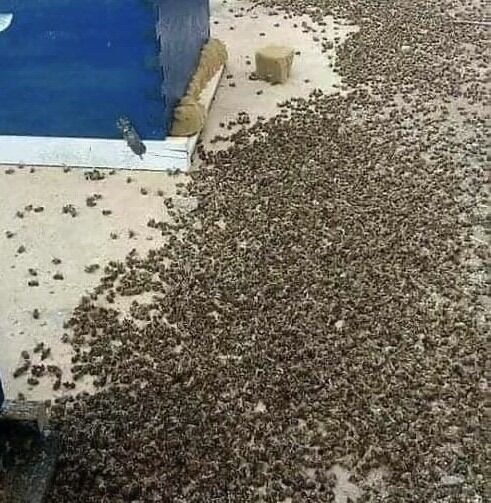
Bees are among the most efficient pollinators on the planet. As they move from flower to flower collecting nectar, they help plants reproduce by transferring pollen. This process supports the growth of fruits, vegetables, nuts, seeds, and countless wild plants. Researchers have long noted that many ecosystems rely heavily on pollination to remain stable and diverse. When bee populations decline, the effects ripple outward, impacting plant life, wildlife that depends on those plants, and ultimately the food supply people rely on every day.
Environmental studies have shown that bees face increasing challenges due to changes in land use and natural habitats. As open fields, meadows, and flowering spaces are replaced with development, bees lose vital food sources and nesting areas. Reduced plant diversity can further limit their ability to thrive. Conservation groups emphasize that restoring native plants, protecting green spaces, and allowing natural vegetation to grow can greatly improve conditions for pollinators. These efforts not only help bees, but also support birds, insects, and other forms of wildlife that depend on healthy ecosystems.
Individuals and communities can play a meaningful role in supporting pollinator health. Planting bee-friendly flowers, choosing native plants, supporting local honey producers, and learning about sustainable environmental practices are simple steps that add up over time. Schools, neighborhoods, and local organizations are increasingly joining pollinator-focused initiatives, turning awareness into action. While one garden may seem small, collective efforts can help ensure that bees continue their vital work. Protecting them means protecting the natural balance that supports life itself, now and for generations to come.