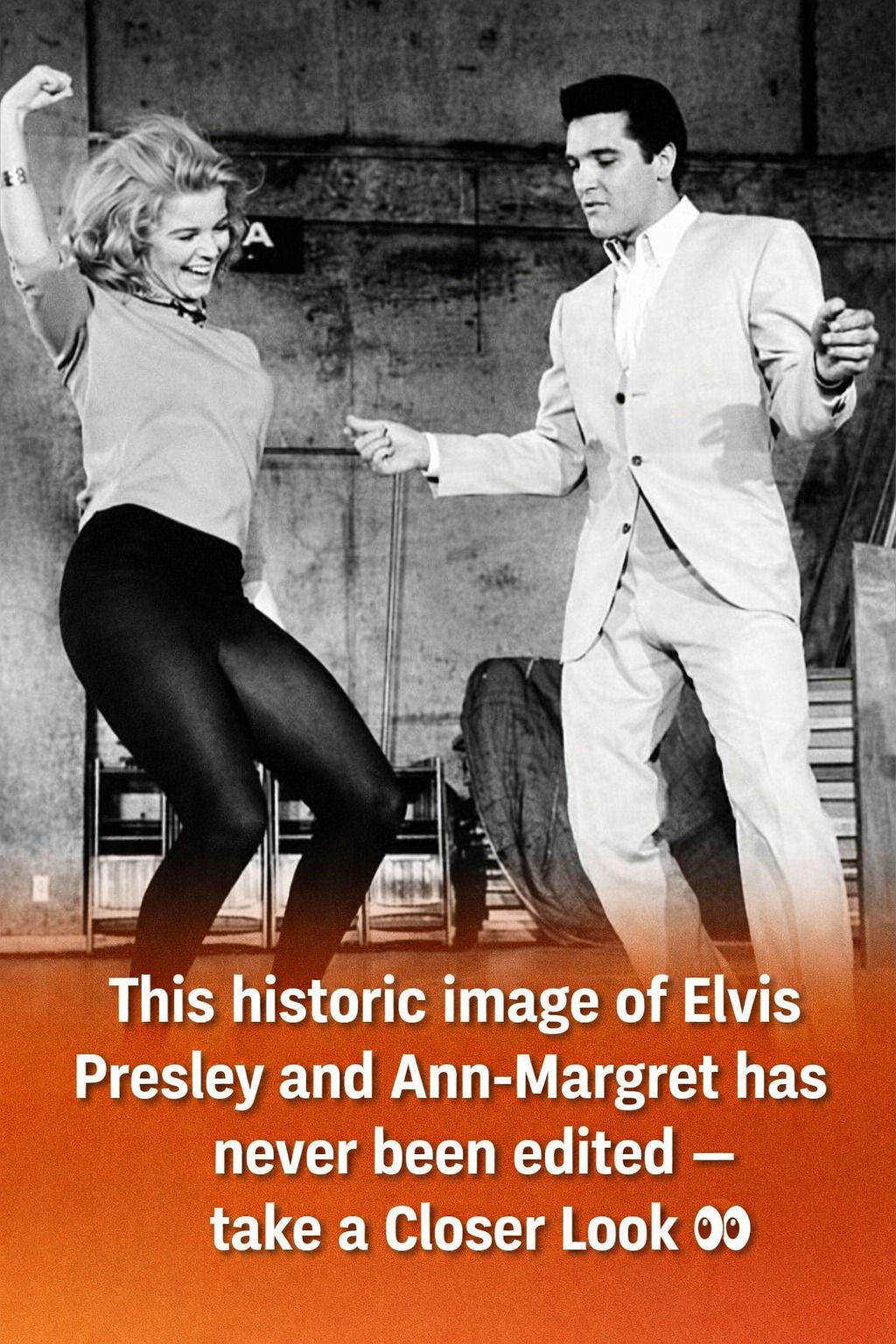
Viva Las Vegas stands as a pinnacle of Elvis Presley’s film career, primarily due to the undeniable chemistry between the “King” and his co-star, Ann-Margret. Released in 1964, the movie features Elvis as Lucky Jackson, a race car driver seeking victory in the Nevada desert, while Ann-Margret plays Rusty, a lively dancer who steals the spotlight. Their duet, “The Lady Loves Me,” remains a highlight of the film, capturing a playful dynamic that reportedly mirrored their intense off-screen connection. Despite receiving mixed reviews from critics upon its debut, the film’s blend of musical spectacle and old Vegas charm has solidified its place as a quintessential American classic.
Financially, the film achieved unprecedented success, eventually becoming Presley’s highest-grossing production. In a unique box-office feat, it out-earned the massive hit Blue Hawaii by a margin of exactly $450. At a concise 85 minutes, it also holds the title of Elvis’s shortest film, emphasizing a fast-paced narrative that relies heavily on its musical numbers. Beyond the lead stars, the production is notable for its background talent; the soundtrack featured a surprise contribution by Glen Campbell, and one of the background dancers later went on to receive multiple Oscar nominations, adding to the film’s storied legacy.
The production was not without its behind-the-scenes friction, particularly regarding director George Sidney. Elvis was reportedly unhappy with Sidney’s directing style, believing that the camera angles and editing were intentionally skewed to favor Ann-Margret’s performance and physical presence over his own. At just 22 years old, Ann-Margret’s star power was so immense that several theaters actually billed her above Elvis, an almost unheard-of occurrence during the peak of his cinematic fame. This competitive tension fueled the movie’s energy, creating a dynamic where both stars were forced to deliver their most charismatic performances to date.
Long after the cameras stopped rolling, the legacy of Viva Las Vegas was preserved through the enduring friendship of its leads. While their romance was complicated by Elvis’s commitment to Priscilla, Ann-Margret later shared that Elvis had expressed a desire to marry her during their time together. Despite the end of their romantic involvement, they remained close confidantes until Elvis’s death in 1977. Ann-Margret was notably the only female co-star to attend his funeral, a final testament to a bond formed among the now-vanished landmarks of 1960s Las Vegas.