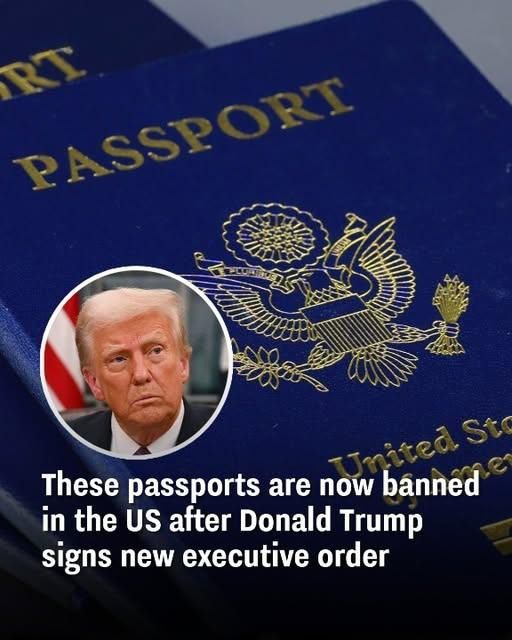
Why the U.S. Is Banning or Restricting Passports from Certain Countries
Since 2025 and into 2026, the United States has significantly expanded its travel ban and visa restrictions affecting citizens of dozens of countries. These rules regulate who can enter the U.S. on a foreign passport and have drawn global attention due to their broad scope and impact.
What Is the Travel Ban?
The U.S. travel ban refers to a set of restrictions and prohibitions on entry for foreign nationals from certain countries. These restrictions are implemented through presidential proclamations and are typically justified on national security, public safety, and immigration enforcement grounds.
There are two main categories:
-
Full Travel Ban – Citizens of these countries are barred from obtaining U.S. visas and entering the United States.
-
Partial Travel Ban / Restrictions – Citizens can still travel for some purposes but face suspensions on certain visas (like tourist or student visas) or additional requirements.
Which Countries Are Fully Banned From U.S. Entry?
As of January 1, 2026, the U.S. expanded its full ban to include about 19 countries, mostly in Africa, the Middle East, and parts of Asia. Nationals of these countries cannot obtain immigrant or non-immigrant visas to enter the U.S., unless they qualify under specific exceptions.
Some of the countries under full ban include:
-
Afghanistan
-
Burkina Faso
-
Chad
-
Iran
-
Laos
-
Libya
-
Mali
-
Somalia
-
South Sudan
-
Syria
-
Yemen
These expanded restrictions were introduced in official proclamations signed in 2025 and took effect at the start of 2026.
Which Countries Face Partial Restrictions?
Many countries face partial visa restrictions where certain visas (like B-1 business, B-2 tourist, F student, or J exchange visas) are suspended or limited. Nationals of these countries may still travel under limited categories but face stricter conditions.
Examples (partial restrictions) include:
-
Cuba
-
Venezuela
-
Burundi
-
Togo
-
Angola
-
Tonga
Why Were These Restrictions Put in Place?
The U.S. government says the reasons include:
-
National security concerns (terrorism threats or unstable governance).
-
Weak passport and identity systems, making it hard to verify travelers.
-
High visa overstay rates (people not leaving the U.S. when required).
-
Lack of cooperation on deportations or immigration enforcement.
U.S. officials often point to challenges in sharing reliable information with foreign governments and ongoing conflict or instability within these countries.
Exemptions and Exceptions
Even with bans or restrictions, there are some exceptions:
-
Green card holders (U.S. lawful permanent residents) are generally exempt.
-
Dual citizens may use a passport from a non-banned country.
-
Existing valid visas issued before the ban continue to be honored in many cases.
-
Certain diplomatic or international travel (like athletes at global events) may be permitted.
Reactions and Global Impact
The expanded travel ban has drawn strong reactions from many countries, some of which have implemented reciprocal bans — meaning they now restrict U.S. travelers in response. For example, Mali and Burkina Faso have barred U.S. citizens from entering their countries following the U.S. ban expansion.
Critics also argue that the travel bans are too broad, harm educational and cultural exchange, and can be seen as discriminatory or unfair because many affected citizens have no ties to crime or terrorism.
What Does This Mean for Travelers?
If you are from a country on the banned or restricted list:
-
You may not be eligible to apply for a U.S. visa under normal categories.
-
Travelers already inside the U.S. with valid visas or green cards may still stay or return.
-
Dual citizens should travel using a passport from a country not on the list (if eligible).
-
Family reunification and humanitarian travel may still be possible under specific waiver programs.
In Summary
The U.S. travel ban in 2025–2026 represents one of the broadest expansions of visa and passport restrictions in recent history. It affects dozens of countries, citing security, administrative, and immigration concerns, while also leading to diplomatic tensions and reciprocal measures by other nations.