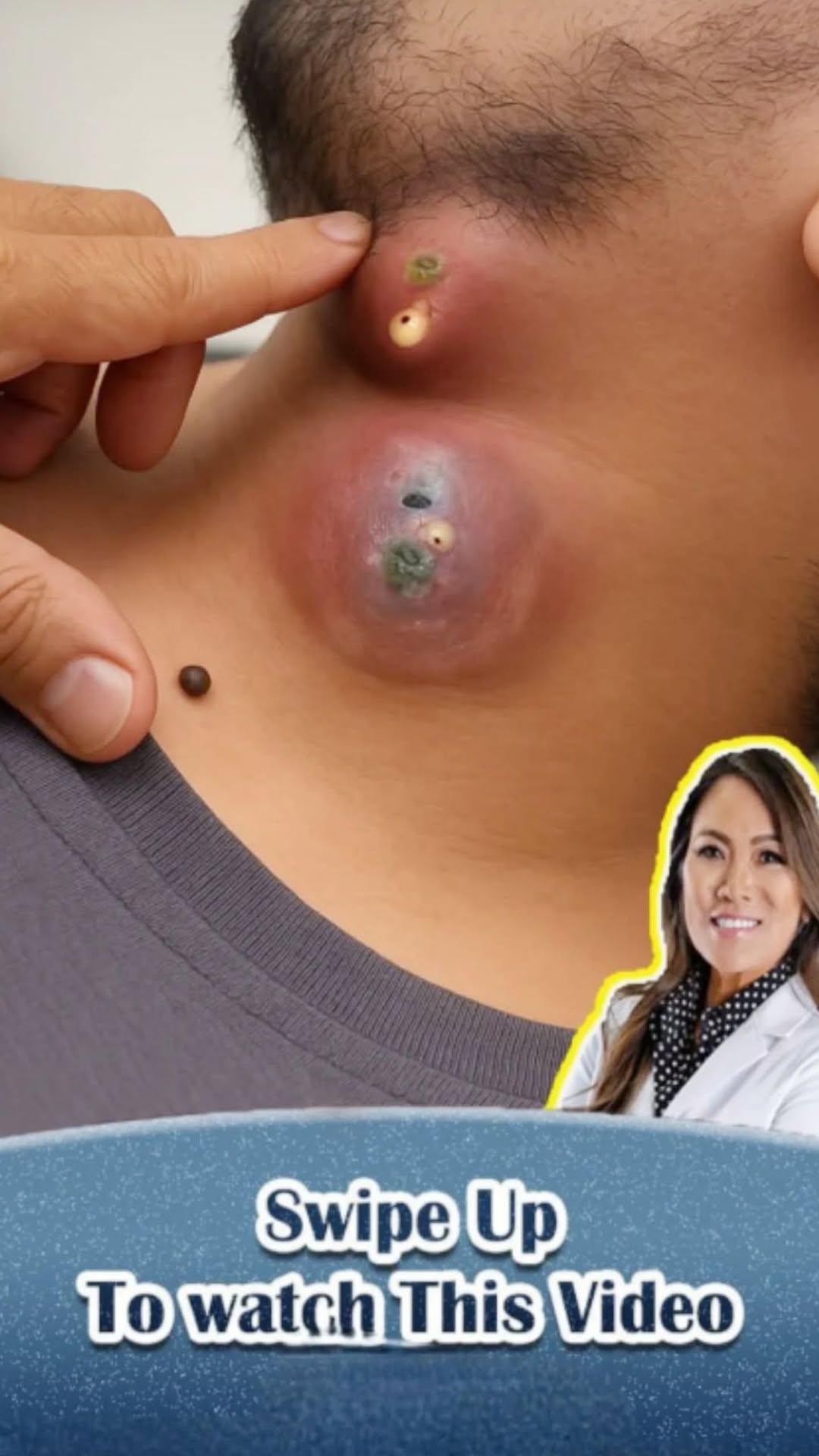
Blackheads are one of the most common skin concerns, affecting people of all ages. Although they are a mild form of acne, blackheads can be stubborn and frustrating to manage. Understanding what causes them and how to treat them properly can make a big difference in achieving clearer skin.
What Are Blackheads?
Blackheads, medically known as open comedones, form when hair follicles (pores) become clogged with excess oil (sebum), dead skin cells, and bacteria. Unlike whiteheads, blackheads remain open at the surface of the skin. When the clogged material is exposed to air, it oxidizes and turns dark—this is why blackheads appear black, not because they contain dirt.
Common Causes of Blackheads
Several factors contribute to blackhead formation:
-
Excess oil production, often influenced by hormones
-
Dead skin cell buildup that blocks pores
-
Improper skincare, such as not cleansing regularly
-
Use of comedogenic products that clog pores
-
Hormonal changes during puberty, menstruation, or stress
-
Diet and lifestyle factors, including high sugar intake and poor sleep
Where Do Blackheads Commonly Appear?
Blackheads most often develop on areas with more oil glands, including:
-
Nose
-
Forehead
-
Chin
-
Cheeks
-
Back and chest
How to Prevent Blackheads
Prevention focuses on keeping pores clean and oil levels balanced:
-
Cleanse the skin twice daily with a gentle cleanser
-
Exfoliate 1–2 times a week to remove dead skin cells
-
Use non-comedogenic skincare and makeup products
-
Avoid touching or picking at the skin
-
Maintain a balanced diet and stay hydrated
Effective Treatments for Blackheads
There are several proven ways to treat blackheads:
-
Salicylic acid helps unclog pores and reduce oil
-
Retinoids increase cell turnover and prevent blockages
-
Clay or charcoal masks absorb excess oil
-
Professional extraction by a dermatologist or esthetician
-
Chemical peels for deeper exfoliation
Avoid squeezing blackheads at home, as this can cause irritation, scarring, or infection.
When to See a Dermatologist
If blackheads are persistent, widespread, or accompanied by inflamed acne, a dermatologist can recommend prescription treatments or procedures tailored to your skin type.
Conclusion
Blackheads are a common but manageable skin condition. With consistent skincare, the right products, and healthy habits, it’s possible to reduce blackheads and prevent new ones from forming. Patience and gentle care are key to maintaining clear, healthy skin.