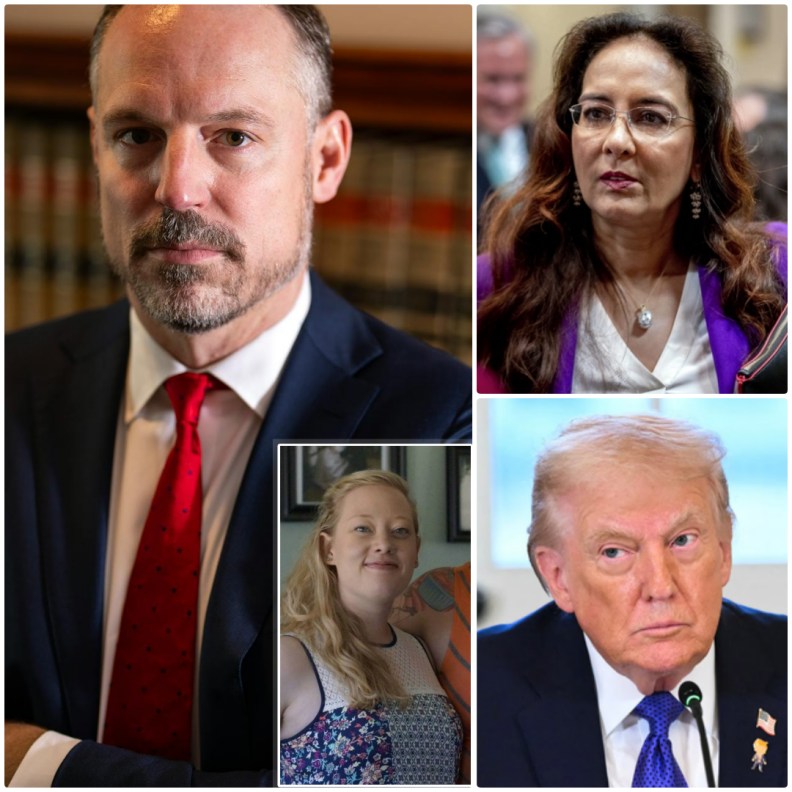
The atmosphere in Washington this week can only be described as a thick, suffocating cloud of tension as the Department of Justice faces a crisis of historic proportions.
In a sequence of events that feels more like a political thriller than a typical news cycle, a massive wave of resignations has hollowed out the nation’s premier legal institution.

From the high-stakes corridors of the Civil Rights Division in D.C. to the frozen, protest-torn streets of Minneapolis, career prosecutors are walking out in droves.
This isn’t just a handful of disgruntled employees; this is a systemic rejection of the current administration’s directives by the very people who represent the legal backbone of the United States.
At the heart of this explosive collapse is the tragic and controversial death of 37-year-old Renee Nicole Good, a poet and mother who was shot by an ICE agent.
The fallout from that single moment has spiraled into a multi-agency disaster, involving allegations of political interference, secret “retribution” lists, and a total breakdown of post-Watergate norms.
Reports have emerged suggesting that the Oval Office is in a state of total chaos, with rumors of intense emotional outbursts as the administration realizes it is losing its most experienced legal minds.
The “breaking point” wasn’t reached overnight, but the refusal to investigate the ICE officer involved in Good’s death seems to have been the final straw for many.
In a stunning 24-hour window, senior leaders from the Civil Rights Division and top prosecutors from the U.S. Attorney’s Office in Minnesota handed in their notices.

These are individuals like Joe Thompson, an acting U.S. Attorney with 12 years of experience leading massive fraud investigations that were once a flagship priority for the White House.
When a man like Thompson, who has spent a decade pursuing justice for Minnesotans, decides that resignation is his “last remaining ethical option,” the alarm bells should be deafening.
He wasn’t alone; at least five other senior members of the Minnesota office followed him out the door, effectively decapitating the leadership of a major federal district.

The reason for their departure is chilling: sources close to the matter say they were ordered to “say nothing” about the shooting of Renee Good.
Even more disturbing are the claims that they were pressured to pivot their investigative resources away from the shooter and toward Good’s grieving widow and her associates.
Career lawyers familiar with the situation described this as a violation of “Prosecutorial Ethics 101,” a move that turns the Department of Justice into a tool for political vengeance.
In Washington, the Civil Rights Division—the unit specifically tasked with investigating law enforcement misconduct—has seen its own “mass exodus” of leadership.
Harmeet Dhillon, the political appointee leading the division, reportedly told staff they would not be allowed to open a civil rights probe into the Minneapolis shooting.
In response, the chief of the criminal section and several of his deputies quit, signaling a total lack of confidence in the department’s neutrality.
A Justice Department official tried to downplay the move, claiming these officials were simply participating in a “pre-planned early retirement program.”
However, insiders tell a different story, one where the timing of these “retirements” was directly accelerated by the refusal to seek justice for a slain American citizen.
The vacuum left by these resignations is already causing a ripple effect throughout the entire federal legal system.
The U.S. Attorney’s Office in Minnesota, which employs roughly 60 to 70 prosecutors, has lost the institutional knowledge of its most senior leaders in a single day.
This means that complex trials involving racketeering, sex trafficking, and massive social-services fraud are now in a state of limbo.
Governor Tim Walz has been vocal about the loss, calling it a “huge sign” that the administration is replacing nonpartisan professionals with “sycophants.”
Meanwhile, on the ground in Minneapolis, the situation has escalated into what many are calling a “war zone” of federal enforcement and civilian resistance.
More than 3,000 federal agents from ICE and Customs and Border Protection have been deployed to the city as part of “Operation Metro Surge.”
The city is currently a “proving ground” for the administration’s broader immigration strategy, but it looks more like a city under siege.
Protesters have been met with flashbangs and pepper balls, while federal vehicles surge through crowds of people shouting for “ICE out now.”
Morale among the federal agents themselves is reportedly mixed, with tensions rising between the different agencies operating in the same crowded protest zones.
Adding fuel to the fire is the rhetoric coming directly from the White House and Truth Social.
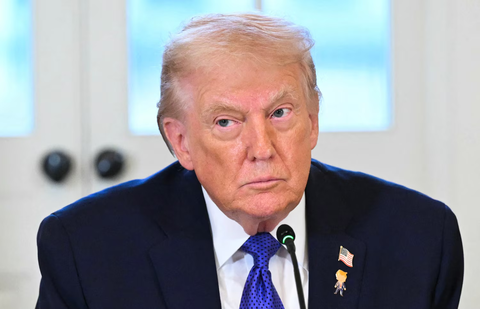
President Trump has publicly defended the ICE agents involved, even using terms like “retribution” and “day of reckoning.”
This kind of language, when paired with the pressure on prosecutors to target victims’ families, has created a “crisis of legitimacy” for the DOJ.
The Department of Justice was rebuilt after Watergate specifically to prevent this kind of political weaponization of the law.
The principle was simple: criminal investigations must be insulated from the whims of the President or his political allies.
Today, those guardrails appear to be melting away as career prosecutors prepare “resignation letters in their desks” for the moment saying “no” becomes the only choice.
The legal community is watching in horror as the credibility of the institution, painstakingly built over decades, is dismantled in real-time.
Former DOJ officials from across the political spectrum have taken to social media to express their alarm at the “politicized enforcement” taking place.
One former assistant U.S. attorney noted that once a prosecutor is told the “outcome in advance,” the job is no longer about justice—it’s about optics.
The loss of trust between the career staff and the political appointees has created an environment where work has essentially ground to a halt.
If the DOJ cannot function without the expertise of its career lawyers, the entire federal system faces a collapse of basic operations.
The administration may find it difficult to replace these individuals, as the “stain” of working under such directives may deter the nation’s top legal talent.
As the lawsuits from the ACLU and the State of Minnesota begin to pile up, the legal battle is just getting started.
The class-action lawsuits allege widespread racial profiling and unconstitutional arrests, further complicating the administration’s “Metro Surge.”
For the families involved, like that of Renee Good, the political firestorm is secondary to the personal tragedy they are living through.
But for the rest of the country, this “Oval Office Breakdown” is a warning sign of a system that is failing its most basic duties.
Whether the Department of Justice can survive this staffing crisis—and more importantly, this crisis of conscience—is the question of the hour.
What is clear is that the “breaking point” has not only been reached; it has been surpassed, and the fallout will be felt for years to come.
As the administration continues to push its “retribution” agenda, the resistance within its own ranks may be the biggest obstacle it faces.
The empty offices in Washington and Minnesota stand as silent monuments to a legal system that is currently at war with itself.
The world is watching as the United States’ commitment to the rule of law faces its most grueling test since the founding of the republic.
If the “sycophants” do indeed replace the “principled public servants,” the very definition of justice in America may be forever changed.
In the end, this is more than just a news story about resignations—it is a story about the soul of the American legal system.
The chaos in the Oval Office and the sobbing in the halls of power are just symptoms of a much deeper, much more dangerous rot.