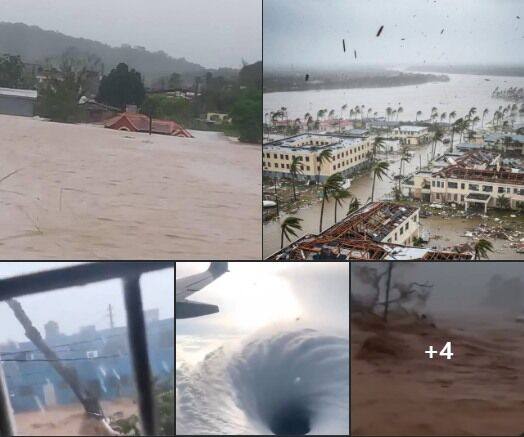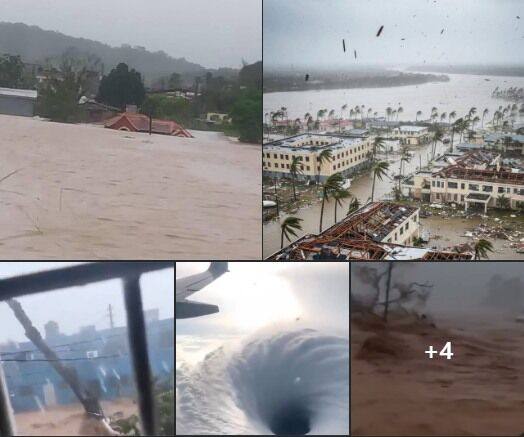
Hurricane Melissa continues to pose a grave threat to the Caribbean as it advances northward toward eastern Cuba, maintaining its strength as a formidable Category 3 storm. After leaving a trail of devastation across Jamaica, the hurricane has emerged as one of the most destructive weather systems to strike the region in recent years. Characterized by powerful sustained winds, relentless rainfall, and a broad area of influence, Melissa has prompted urgent alerts and emergency measures across multiple island nations. Meteorologists and government authorities alike emphasize that the storm’s danger extends far beyond its eye, with its outer bands already inflicting widespread damage well ahead of its projected landfall in Cuba.
The impact on Jamaica has been particularly catastrophic. As Hurricane Melissa made its closest approach, the island was battered by violent winds that ripped roofs from homes, toppled power poles, and uprooted centuries-old trees. Entire neighborhoods were left exposed to the elements as fragile structures collapsed under the force of the storm. In both urban centers and rural communities, buildings constructed without adequate reinforcement suffered the most severe damage, underscoring long-standing vulnerabilities in housing infrastructure. Sheets of metal roofing were hurled through the air, turning into dangerous projectiles, while debris littered roads and public spaces, rendering many areas inaccessible.
Alongside the destructive winds, torrential rainfall compounded the devastation. Rain fell in staggering volumes over short periods, overwhelming drainage systems and causing rivers to burst their banks. Low-lying areas were rapidly inundated, forcing residents to seek higher ground as floodwaters swept through streets, homes, and businesses. Vehicles were submerged, crops were destroyed, and essential services were disrupted. In some communities, floodwaters rose so quickly that residents had little time to evacuate, resulting in perilous rescues by emergency personnel once conditions allowed.
Emergency response efforts in Jamaica were severely hampered by the intensity of the storm. First responders struggled to reach isolated towns and villages as roads were blocked by fallen trees, landslides, and debris. Communication networks were disrupted, making it difficult to assess the full extent of the damage or coordinate relief operations. Helicopter and boat rescues were limited by hazardous weather conditions, forcing authorities to prioritize life-threatening situations while awaiting safer conditions to expand their efforts. Despite these challenges, emergency teams worked around the clock to provide aid, shelter, and medical assistance to those affected.
The human cost of Hurricane Melissa has already been significant, and officials warn that the true toll may not yet be known. At least seven deaths have been confirmed across the Caribbean region, including three fatalities in Jamaica. Haiti has reported three deaths linked to flooding and landslides triggered by the storm’s outer rain bands, while the Dominican Republic has confirmed one storm-related death. Authorities in all affected countries caution that these numbers are preliminary, as damage assessments are ongoing and some remote areas remain unreachable. The possibility of additional casualties remains a serious concern.
In response to the widespread destruction, the Jamaican government has declared a national disaster. This designation has enabled the mobilization of emergency funds and resources, as well as the coordination of international assistance. One of the most pressing challenges facing the country is the massive power outage caused by the storm. More than half a million residents are currently without electricity after high winds damaged transmission lines and substations. Hospitals, water treatment facilities, and telecommunications systems have been forced to rely on backup generators, raising concerns about fuel shortages and the sustainability of essential services in the days and weeks ahead.
The loss of electricity has also affected access to clean water, as pumping stations struggle to operate at full capacity. In some areas, residents have been advised to boil water before consumption due to the risk of contamination from floodwaters. Schools and businesses remain closed as authorities assess structural damage and work to restore basic utilities. For many families, the road to recovery will be long and uncertain, particularly those who have lost their homes or livelihoods.
As Jamaica grapples with the aftermath of Hurricane Melissa, attention is now turning to Cuba, which lies directly in the storm’s projected path. Cuban authorities have taken swift and decisive action in anticipation of the hurricane’s arrival. More than 735,000 people have been evacuated from coastal regions and flood-prone areas, reflecting the seriousness with which the government is treating the threat. Evacuation centers have been established across the island, providing shelter, food, and medical care for displaced residents.
Meteorological agencies warn that eastern Cuba could experience winds reaching up to 120 miles per hour as the storm approaches. Such winds are capable of causing extensive damage to buildings, power infrastructure, and agriculture. Heavy rainfall is also expected, with forecasts predicting accumulations of up to 25 inches in some areas. This level of rainfall significantly increases the risk of flash flooding and landslides, particularly in mountainous regions and areas with saturated soil.
In addition to wind and rain, storm surge presents a major hazard for coastal communities in Cuba. Sea levels could rise by as much as 12 feet above normal, inundating coastal settlements, ports, and farmland. Saltwater intrusion poses a serious threat to freshwater supplies and agricultural land, potentially causing long-term economic and environmental consequences. Fishing communities and tourism-dependent regions are especially vulnerable, as damage to ports, boats, and coastal infrastructure could disrupt livelihoods for months or even years.
Even before the hurricane’s core reaches Cuba, its outer bands have already affected neighboring countries. Haiti and the Dominican Republic have experienced severe flooding and landslides as a result of prolonged rainfall. In Haiti, where deforestation and fragile infrastructure exacerbate the effects of extreme weather, entire neighborhoods have been cut off by floodwaters. Mudslides have swept through hillside communities, destroying homes and blocking roads. Emergency shelters are quickly filling, and humanitarian organizations are working to provide food, clean water, and medical supplies amid challenging conditions.
The Dominican Republic has faced similar challenges, particularly in urban areas where drainage systems were unable to cope with the volume of rainfall. Streets turned into rivers, and flooding damaged homes, businesses, and public buildings. Landslides in rural and mountainous regions have further complicated recovery efforts, isolating communities and delaying aid deliveries. Authorities in both countries have emphasized the need for continued vigilance, as additional rainfall could worsen conditions even after the hurricane moves away.
Across the region, officials are urging residents to heed evacuation orders and safety advisories. Experience from past storms has shown that returning to damaged areas too quickly can be extremely dangerous. Downed power lines, unstable buildings, contaminated water, and debris-filled roads all pose serious risks in the aftermath of a major hurricane. Meteorologists warn that lingering rainfall could trigger additional flooding and landslides, even once the storm itself has weakened.
Public health concerns are also mounting. Standing water increases the risk of mosquito-borne diseases, while disrupted sanitation systems raise the possibility of waterborne illnesses. Hospitals and clinics, already strained by power outages and supply shortages, must now prepare for an influx of patients with storm-related injuries and illnesses. Health officials stress the importance of maintaining hygiene, using safe drinking water, and seeking medical attention when necessary.
The economic consequences of Hurricane Melissa are expected to be substantial. Agriculture has suffered heavy losses, with crops destroyed by wind, flooding, and saltwater intrusion. Livestock losses have also been reported, particularly in rural areas where animals were unable to be relocated in time. The tourism sector, a critical source of income for many Caribbean nations, has been severely disrupted as airports closed, resorts sustained damage, and travelers canceled plans. Rebuilding these industries will require significant investment and time.
As recovery efforts begin, regional cooperation and international assistance will play a crucial role. Governments, humanitarian organizations, and aid agencies are coordinating to deliver emergency supplies, restore essential services, and support displaced populations. Financial assistance, technical expertise, and material aid from the international community will be vital in helping affected countries rebuild infrastructure and strengthen resilience against future storms.
Meteorologists caution that climate change may be contributing to the increasing intensity and frequency of powerful hurricanes in the Caribbean. Warmer ocean temperatures provide more energy for storms, enabling them to strengthen rapidly and produce heavier rainfall. Hurricane Melissa serves as a stark reminder of the region’s vulnerability to extreme weather and the urgent need for improved preparedness, resilient infrastructure, and sustainable development strategies.
In the coming weeks and months, the focus will shift from immediate response to long-term recovery. Rebuilding homes, restoring power and water systems, reopening schools, and revitalizing local economies will require sustained effort and collaboration. For many communities, recovery will not simply mean returning to pre-storm conditions but finding ways to rebuild safer and stronger. Authorities emphasize that lessons learned from Hurricane Melissa must inform future disaster planning to reduce the human and economic toll of similar events.
Ultimately, Hurricane Melissa has left an indelible mark on the Caribbean. From the devastation in Jamaica to the looming threat in Cuba and the widespread impacts in Haiti and the Dominican Republic, the storm has demonstrated the far-reaching consequences of powerful natural disasters. While the immediate priority remains protecting lives and providing aid to those in need, the long-term challenge will be ensuring that affected communities have the resources and support necessary to recover and prepare for an increasingly uncertain climate future.