The halls of Congress have seen their fair share of heated debates and political posturing, but every so often, a moment occurs that transcends the usual theater. It is a moment where the weight of experience meets the cold reality of power, and the result is nothing short of explosive.
This was precisely what happened when Representative Salud Carbajal, a former Marine, sat across from Secretary of Defense Pete Hegseth. The air in the room was charged with a palpable tension that felt less like a standard briefing and more like a court-martial.
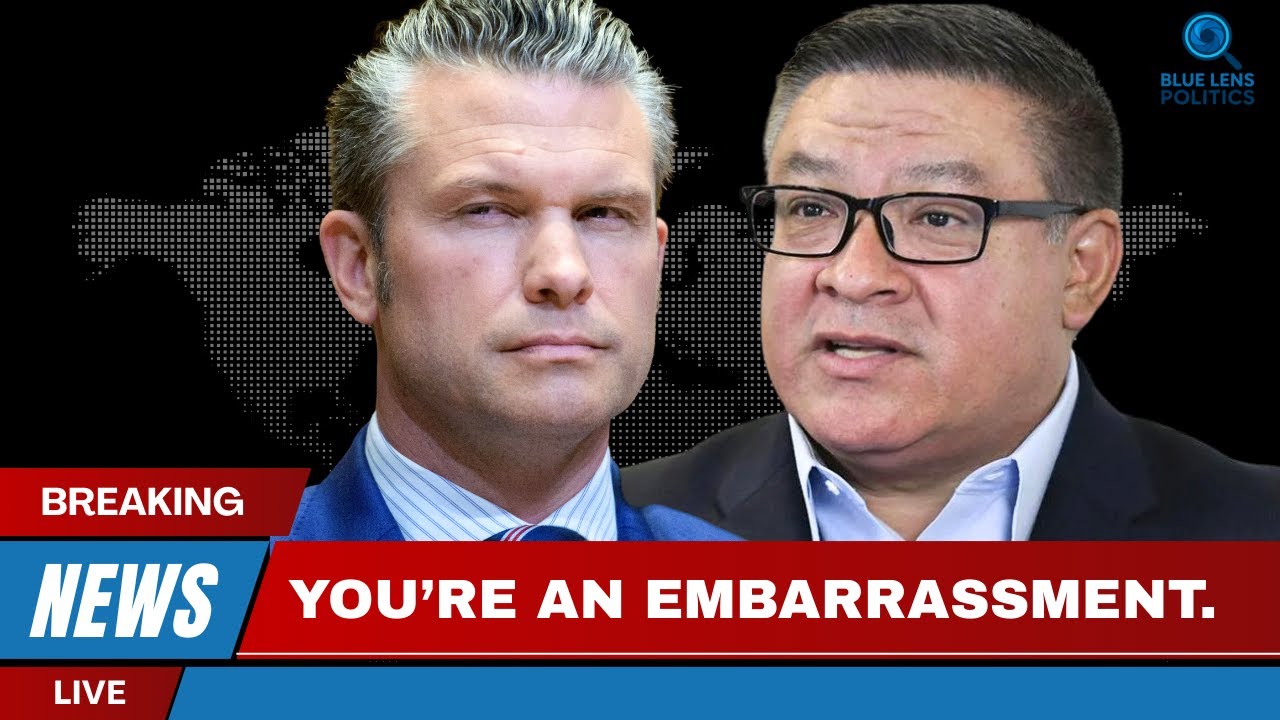
Carbajal didn’t start with pleasantries; he started with the fundamental identity of the men and women he once served alongside. He reminded the room that Marines are trained to be warfighters, elite instruments of national defense, not tools for domestic crowd control.
The deployment of these forces into Los Angeles, against the explicit wishes of local and state leaders, served as the primary spark for a fire that would consume the rest of the hearing. Carbajal’s voice carried the rasp of a man who knows the cost of military service, and he wasn’t about to let the Secretary off the hook for what he deemed “political theater.”
The confrontation quickly shifted from policy to the personal conduct of the man at the helm of the Pentagon. Carbajal brought up a haunting allegation: the sharing of classified information within a Signal group chat.
This wasn’t just a minor breach of protocol in the eyes of the Congressman; it was a betrayal of the very service members the Secretary is tasked with protecting. When Hegseth attempted to deflect by claiming his communications were “authorized,” the frustration in the room reached a boiling point.
It is rare to see a public official so openly challenged on their basic competence and legal standing in a way that feels so personal yet so professionally grounded. Carbajal’s assertion was clear: if you cannot hold yourself accountable, you are fundamentally incapable of leading others.
The back-and-forth that followed was described by many observers as “unwatchable” because of the sheer lack of cohesion between the questioner and the witness. Carbajal’s demand for simple “yes or no” answers became a recurring theme, highlighting a perceived inability of the Secretary to commit to basic principles of American foreign policy.
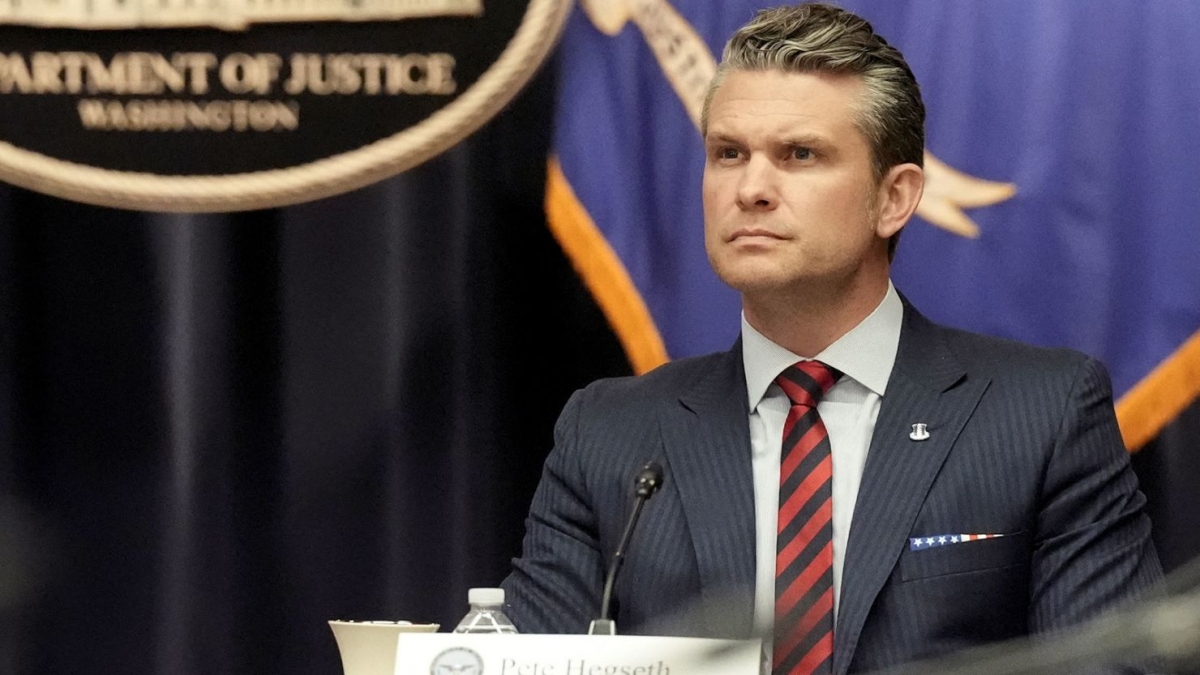
When the topic turned to Ukraine and the United States’ commitment to its allies against Russian aggression, the Secretary’s responses felt to many like a dance. He spoke of “peace” and “President Trump’s commitment,” but he struggled to provide the definitive stance that the Congressman sought.
This evasion led to one of the most stinging rebukes ever recorded in a modern hearing, with Carbajal comparing the Secretary’s communication style to that of a kindergartner. It was a moment of raw, unvarnished anger that stripped away the dignity of the office for a fleeting, painful minute.
The tension only escalated when the conversation moved to the bedrock of international security: NATO’s Article 5. The principle that an attack on one is an attack on all is the cornerstone of the post-WWII order, yet the Secretary seemed hesitant to give a straightforward recommendation to the President.
Carbajal’s “reclaiming of time” became a weapon, a way to cut through the fluff and force a man who oversees the world’s most powerful military to acknowledge the basic obligations of his role. When the “yes” finally came, it felt less like a statement of conviction and more like a surrender to the relentless pressure of the veteran across the aisle.

Perhaps the most chilling segment of the exchange involved the question of loyalty. Carbajal asked point-blank if political allegiance to the President was now a requirement for serving the nation, whether in uniform or as a civilian.
The Secretary’s refusal to give a direct “no” and his pivot to being “proud” of the administration’s support sent shockwaves through those who value the apolitical nature of the U.S. military. It suggested a shift in the wind, a move toward a Department of Defense where the Constitution might play second fiddle to a political movement.
Carbajal’s final assessment was a hammer blow that left no room for interpretation. He called Hegseth an “embarrassment to this country” and “unfit to lead,” words that will likely haunt the Secretary’s tenure and his legacy.
The Congressman didn’t just stop at insults; he called for a resignation, citing a bipartisan collapse of confidence in the Secretary’s ability to lead competently. It was a total rejection of the witness’s authority, punctuated by a refusal to even continue the questioning because the Secretary was “not worthy” of the attention.
As the hearing dissolved into a debate over decorum, the damage had already been done. The image of a former Marine dismantling the civilian head of the military on the grounds of honor, law, and basic competence is one that will not easily fade.
This exchange serves as a stark reminder of the deep divisions within the American government regarding the role of the military in domestic affairs and the standards of conduct for those in high office. It wasn’t just a bad day at the office for Pete Hegseth; it was a public interrogation of the soul of the Pentagon.
The questions raised by Salud Carbajal remain hanging in the air, long after the microphones were turned off and the chambers cleared. Can a leader who is accused of breaking the law and endangering troops truly command their respect?
Is the military becoming a prop for political spectacles rather than a professional force dedicated to the defense of the Republic? These are not just partisan talking points; they are essential questions for the health of a democracy.
The American people are left to watch these clips and decide for themselves where the truth lies. But one thing is certain: when a veteran who has worn the uniform speaks with that level of conviction, the country tends to listen.
The fallout from this hearing is likely to continue as more details regarding the alleged classified leaks and the decision-making process behind domestic deployments come to light. For now, the image of a Marine staring down the Secretary of Defense remains the defining image of a department in turmoil.
We must ask ourselves what we value more in our leaders: the ability to spin a narrative or the courage to stand by the truth, even when it is uncomfortable. The pursuit of accountability is often messy and “unwatchable,” but it is the only way to ensure that the institutions we rely on remain worthy of the people they serve.
As we move forward, the “yes or no” questions will only get harder, and the answers will define the path of our nation’s defense for years to come. It is a time for serious reflection on the nature of leadership and the heavy burden of the oath of office.
The roar of the debate may fade, but the sting of being called an “embarrassment” by a peer in service is a wound that stays open. It is a call to action for all who care about the integrity of our armed forces to demand better, to demand more, and to never settle for “political theater” in place of true leadership.