The world woke up today to a geopolitical landscape that has fundamentally shifted, moving from the slow burn of diplomatic tension to the white-hot intensity of potential military conflict. For months, the international community has watched the rising unrest within Iran with a mix of concern and uncertainty.
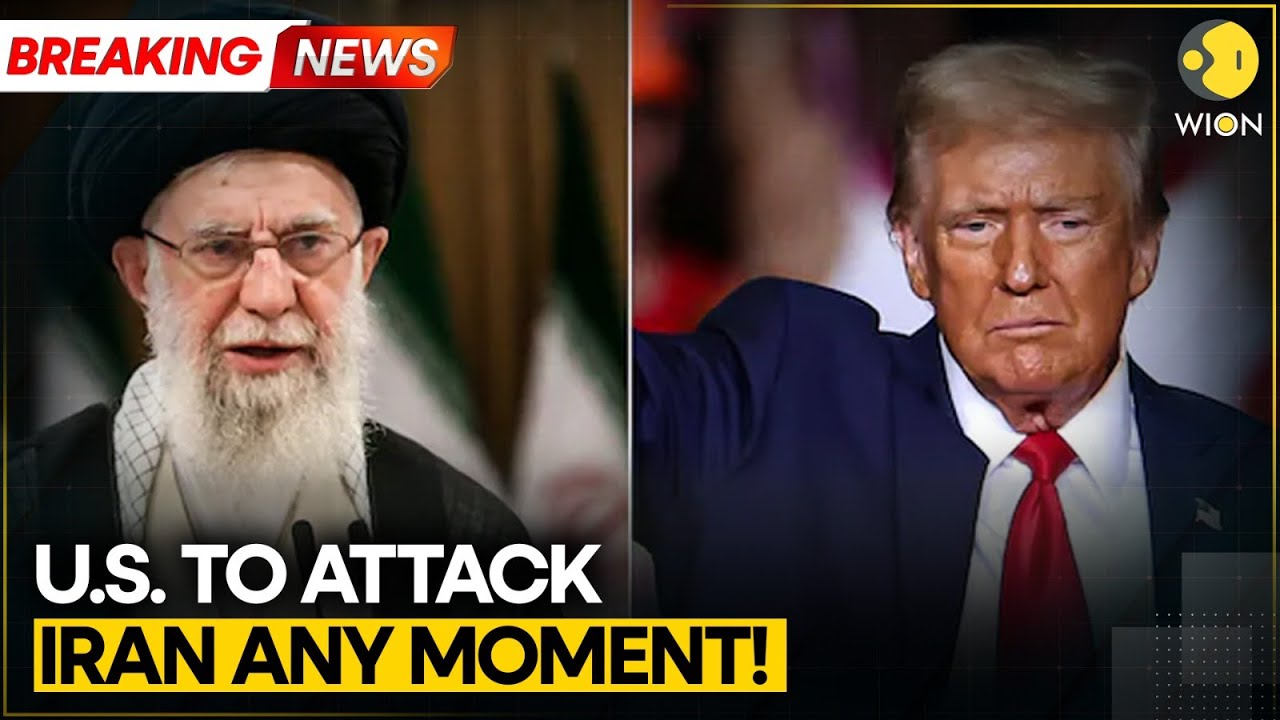
However, the latest series of announcements coming directly from the White House and the President’s social media platforms have signaled that the period of “wait and see” is officially over. We are now entering a phase where the rhetoric of Washington has aligned with the movement of military assets, creating a volatile situation that many experts believe is the precursor to a kinetic engagement.
The message from the United States is no longer veiled in the polite language of statecraft; it is direct, blunt, and carries the weight of a superpower ready to act.
At the heart of this escalation is a stunningly direct communication from the US President to the Iranian people. By labeling protesters as “patriots” and explicitly stating that “help is on its way,” the administration has bypassed the ruling government in Tehran entirely. This is a move that historically precedes major shifts in foreign policy, often involving direct intervention.
The President has made it clear that he has no intention of sitting down with Iranian officials while the internal crackdown on protesters continues. In fact, he has gone as far as to cancel all scheduled meetings, effectively shutting the door on traditional diplomacy until the “senseless killing” stops.
This total freeze in relations suggests that the United States is no longer looking for a middle ground or a negotiated settlement under the current conditions.
The situation on the ground in the region is equally alarming, with reports of increased military activity that cannot be ignored. US fighter jets have ramped up operations at the Al-Udeid air base in Qatar, a strategic location situated only a few hundred kilometers from the Iranian border. This increase in sorties and readiness levels provides a physical manifestation of the President’s warnings.

When military hardware begins to move in tandem with high-level political threats, the window for a peaceful resolution begins to close rapidly. Coupled with this is an emergency alert issued by the US government, urging all American citizens to leave Iran immediately.
These are not the actions of a government expecting a diplomatic breakthrough; these are the actions of a nation preparing for the worst-case scenario.
The human cost of the ongoing internal struggle in Iran has reached a staggering point, which serves as the primary justification for the American shift in posture. According to US-based human rights activists, the death toll from the anti-government protests has reached at least 2,000 individuals, with over 10,721 people reportedly arrested.
The scale of this domestic crisis has created a vacuum that Washington seems ready to fill. The President has repeatedly warned the regime against the use of force, but those warnings appear to have gone unheeded. Now, the tone has shifted from a request for restraint to a promise of justice.
The President has specifically called on the Iranian people to take over national institutions and to remember the names of those responsible for the violence, vowing that they will be held accountable.
Economically, the pressure is being applied with a sledgehammer rather than a scalpel. The announcement of a 25 percent tariff on any country doing business with Iran is a move designed to isolate the regime completely from the global market.
This economic warfare is intended to cripple the government’s ability to function and to fund its security apparatus. By targeting the international partners of Iran, the United States is forcing the rest of the world to choose a side. This “with us or against us” approach to trade is a hallmark of an administration that is finished with incrementalism.
It puts immense pressure on global powers who have previously tried to maintain a balance of trade with the Middle Eastern nation, effectively turning Iran into a pariah state overnight.
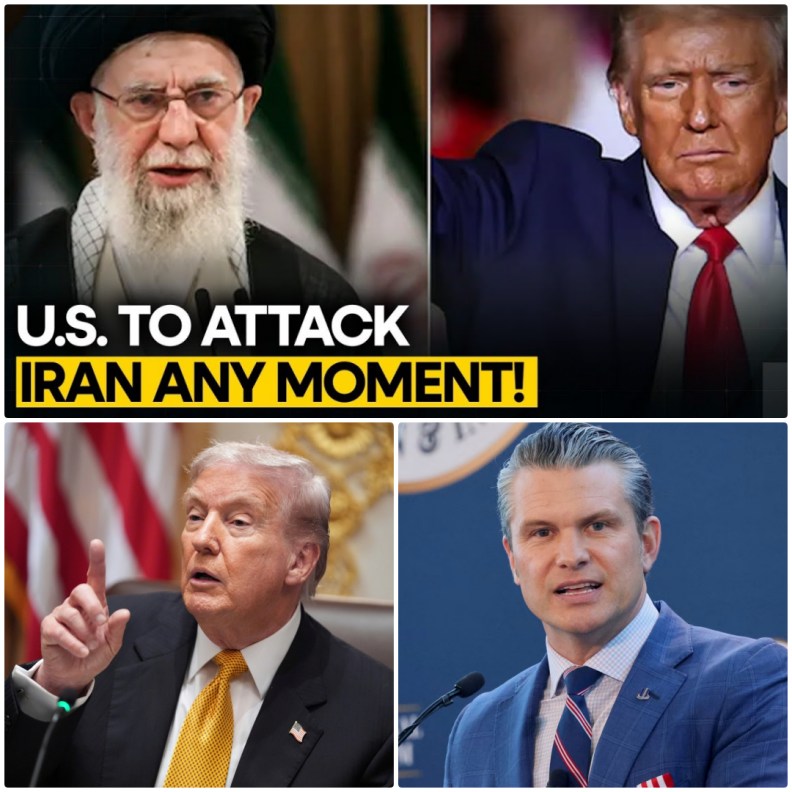
Inside the halls of power in Washington, the discussions have turned toward specific military and strategic options. High-level meetings involving key figures like Marco Rubio and Pete Hegseth indicate that the administration is looking for a diverse range of responses. Reports suggest that the options laid out for the President include everything from a full-on cyber attack aimed at dismantling Iranian infrastructure to a “kinetic military attack.”
The term kinetic is a military euphemism for active lethal force, and its inclusion in the conversation signals just how far the planning has progressed. Whether it is a targeted strike on specific assets or a broader campaign, the military machine is clearly in a state of high readiness, waiting for the final order.
What makes this particular moment so unique is the personal nature of the President’s involvement.
Using platforms like Truth Social, he is communicating in real-time, often ahead of official State Department releases. This direct line of communication serves to keep the Iranian government off balance while simultaneously emboldening the opposition on the streets.
By calling the protesters “patriots,” he is providing a level of external legitimacy that is rare in modern conflicts. It creates a narrative of a liberation struggle supported by the world’s most powerful military, rather than a standard interstate conflict. This psychological warfare is just as important as the movement of fighter jets in Qatar, as it aims to break the will of the ruling elite.
The international community is currently in a state of shock, waiting for a formal response from Tehran. As of now, the Iranian government has remained relatively silent regarding the latest American statements, but that silence is unlikely to last.
The internal pressure from the protests, combined with the external threat of American military and economic intervention, has placed the regime in the most precarious position it has faced in decades. If they continue the crackdown, they risk a direct military confrontation with the US.
If they step back, they risk losing control to the very “patriots” the President is encouraging. It is a classic “no-win” scenario that often leads to unpredictable and dangerous decisions by those in power.
As we look toward the coming days, the focus will remain on the Al-Udeid air base and the corridors of the Pentagon. The movement of troops, the frequency of aerial patrols, and the rhetoric coming out of the White House will all be scrutinized for hints of what comes next. The President has made his move, and the pieces are now on the board.
He has promised that “help is on the way,” a phrase that will either be remembered as a turning point for a nation’s freedom or the opening salvo of a major 21st-century war. The stakes could not be higher, and the margin for error has never been thinner.
In conclusion, the situation between the United States and Iran has moved beyond the realm of traditional politics. It is now a matter of military readiness, economic survival, and the fundamental right of a people to protest their government.
The President’s bold and unconventional approach has forced a confrontation that has been building for years. Whether this leads to a regime change from within or a conflict from without remains to be seen, but one thing is certain: the world is watching, and the time for talk has ended.
We are witnessing history in the making, and the ripples of these decisions will be felt for generations to come. The message is clear, the assets are in place, and the next chapter of the Middle East is being written in real-time.